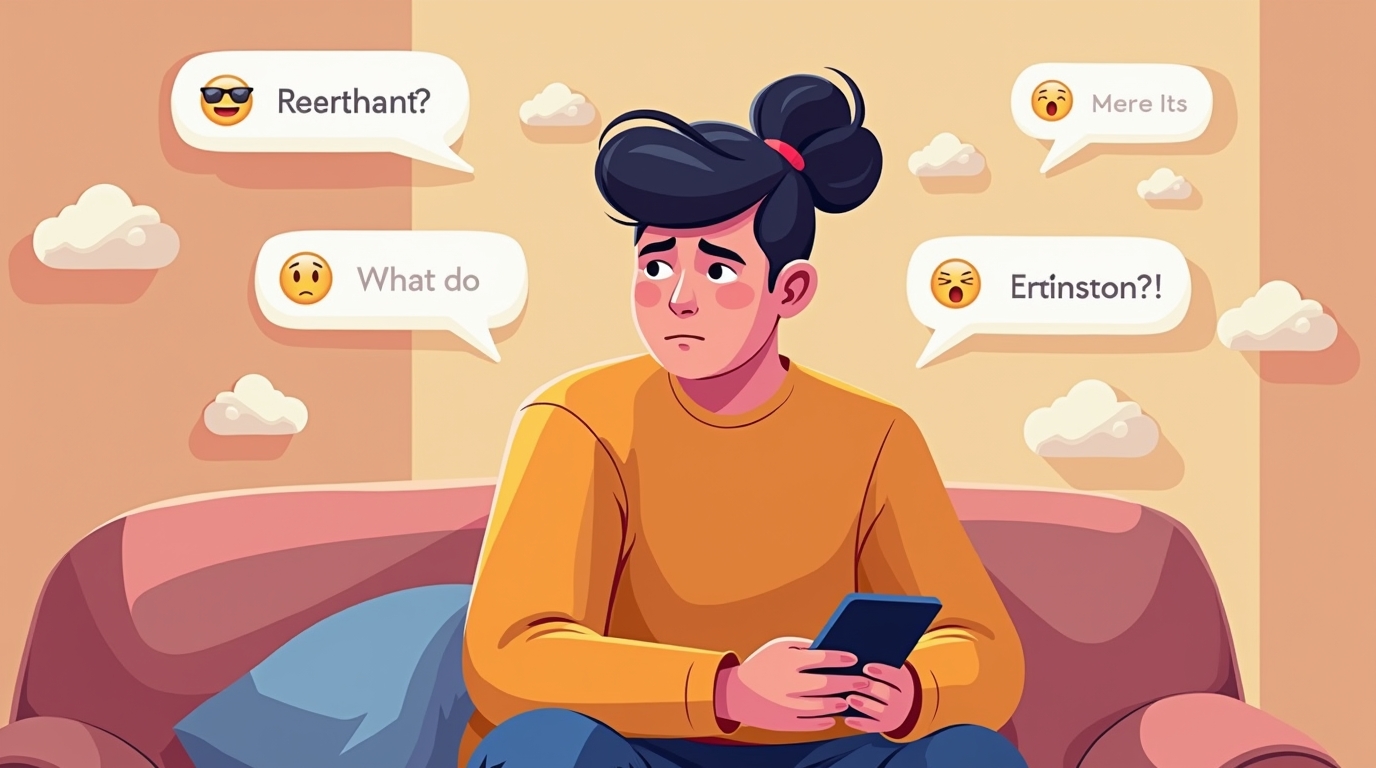
Have you ever scrolled through a text or social media post and noticed someone mentioning “resentment” and wondered what it really meant? Maybe your friend replied, “I feel some resentment toward that situation”, and you were left scratching your head. Don’t worry—you’re not alone! In texting and online chats, people often use words like resentment to convey emotions that are more complex than a simple “I’m upset.” Understanding these terms can make your digital communication more relatable and empathetic.
Quick Answer: Resentment means a feeling of anger or bitterness toward someone or something perceived as unfair. It’s a serious and reflective way of expressing emotional frustration.
🧠 What Does Resentment Mean in Text?
In simple words, resentment is the feeling you get when someone has wronged you, and you hold onto that frustration. Unlike casual anger, resentment lingers over time. It can be subtle, and people often communicate it indirectly in texts.
Example:
A friend cancels plans repeatedly without explanation. You text:
“I can’t help but feel some resentment about being stood up again 😕”
In short: Resentment = anger or bitterness = lingering emotional frustration toward unfair treatment.
📱 Where Is Resentment Commonly Used?
Resentment is mostly expressed in personal texts, social media posts, or mental health discussions rather than casual memes or gaming chats. Here’s where it pops up:
🟢 Texting with friends/family – to express subtle frustration
🟢 Snapchat/TikTok captions – often paired with reflective thoughts
🟢 Mental health forums or Reddit – discussing personal feelings
🟢 Emails (rare) – formal complaints or HR communications
Tone: Usually serious, reflective, or emotional, not casual or flirty.
💬 Examples of Resentment in Conversation
Here are a few realistic chat examples of how resentment might appear in texting:
A: “Why didn’t you tell me about the meeting?”B: “Honestly, I feel some resentment for being left out 😔”
A: “You’re not coming to my party?”B: “Yeah… I have some resentment about last time you canceled on me 😕”
A: “How are things with your boss?”B: “There’s definitely some resentment building… feels unfair 😤”
A: “You’ve been quiet lately.”B: “Just dealing with some resentment from last week”
A: “Are you upset?”B: “A little… some resentment is still there 😔”
A: “I don’t get why they didn’t include you.”B: “Exactly… feeling a lot of resentment about that 😤”
A: “Why are you acting distant?”B: “It’s resentment… I haven’t forgiven them yet 😕”
🕓 When to Use and When Not to Use Resentment
✅ When to Use:
Discussing serious feelings with friends or family
Writing reflective posts about life situations
Expressing frustration in personal or emotional chats
❌ When Not to Use:
- Casual memes or jokes
- Flirty conversations
- Work chats or professional settings unless appropriate
| Context | Example Phrase | Why It Works |
|---|---|---|
| Friend Chat | “I feel some resentment about last night 😕” | Honest & emotional |
| Work Chat | “I feel some resentment regarding the delay” | Polite & formal |
| “I have some resentment over the miscommunication” | Professional & clear |
🔄 Similar Words or Alternatives
| Slang/Word | Meaning | When to Use |
|---|---|---|
| Bitterness | Long-term anger or unhappiness | Reflective or serious conversations |
| Grudge | Persistent resentment toward someone | Informal chats, casual explanations |
| Irritation | Mild annoyance | Casual texting |
| Frustration | Feeling blocked or thwarted | Everyday chat or social media |
| Aggrieved | Feeling wronged formally | Professional or formal settings |
❓ FAQs About Resentment
Q1: Is resentment the same as anger?
Not exactly. Anger can be temporary, while resentment lingers over time, often caused by perceived unfairness.
Q2: Can resentment be positive?
Resentment itself is negative, but acknowledging it can help in emotional growth and resolving conflicts.
Q3: How can I text about resentment without sounding harsh?
Use soft language like: “I feel some resentment about…” and emojis like 😔 or 😕 to convey emotions gently.
Q4: Is resentment formal or casual in language?
It is generally serious and reflective, making it better suited for personal or thoughtful conversations rather than casual jokes.
Q5: Can resentment affect relationships?
Yes, if unaddressed, resentment can create distance and misunderstandings, so communicating clearly is important.

Marconi is the creative mind behind Rizz Line Club, your go-to hub for the smoothest rizz lines, clever captions, and charming one-liners. With a passion for wordplay and viral trends, Marconi brings fresh, witty, and relatable content that keeps your socials lit and your DMs winning. When he's not crafting the perfect rizz, he's probably decoding pop culture or vibing with meme-worthy humor.
- Marconihttps://rizzlineclub.com/author/info-irtazagmail-com/

- Marconihttps://rizzlineclub.com/author/info-irtazagmail-com/

- Marconihttps://rizzlineclub.com/author/info-irtazagmail-com/

- Marconihttps://rizzlineclub.com/author/info-irtazagmail-com/